A daily update by email. Science news, great photos, sky alerts.
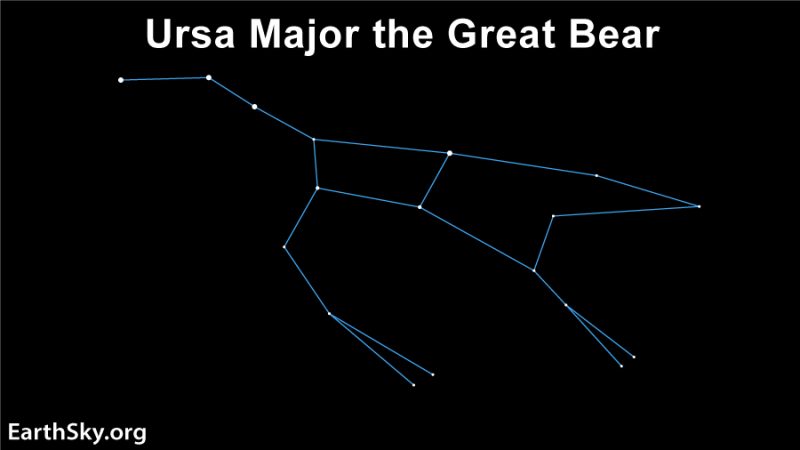
Ursa Major the Great Bear is in Northern Hemisphere skies and is home to the asterism of the Big Dipper, which you can use to find other constellations.
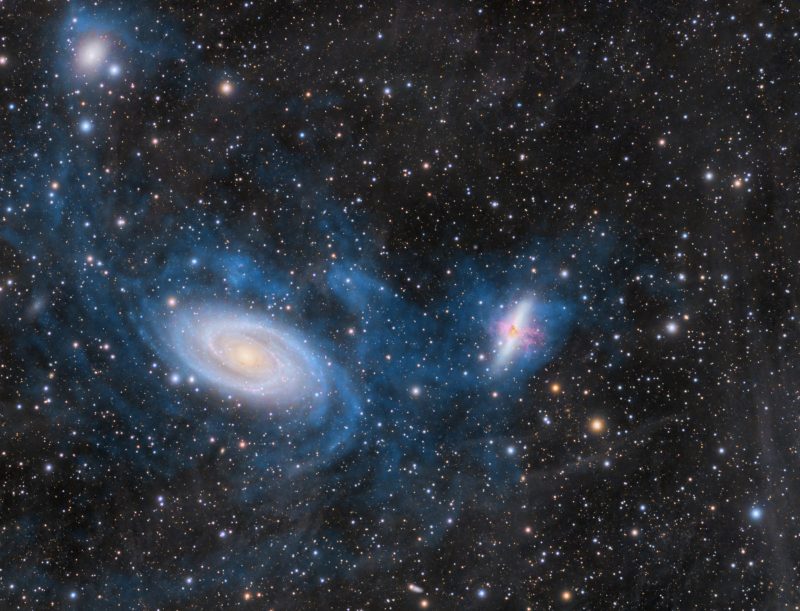
Get a fresh look at galaxies M81 and M82 in Ursa Major. These incredible images combine hours of exposures and processing for a look at fine structures.
EarthSky's visible planets and night sky guide. Find out why June's full moon is so low in the sky for Northern Hemisphere observers in today's livestream.
How well do you know the night sky? Test your know-how of stars, constellations and more with this fun astro quiz. Enjoy!
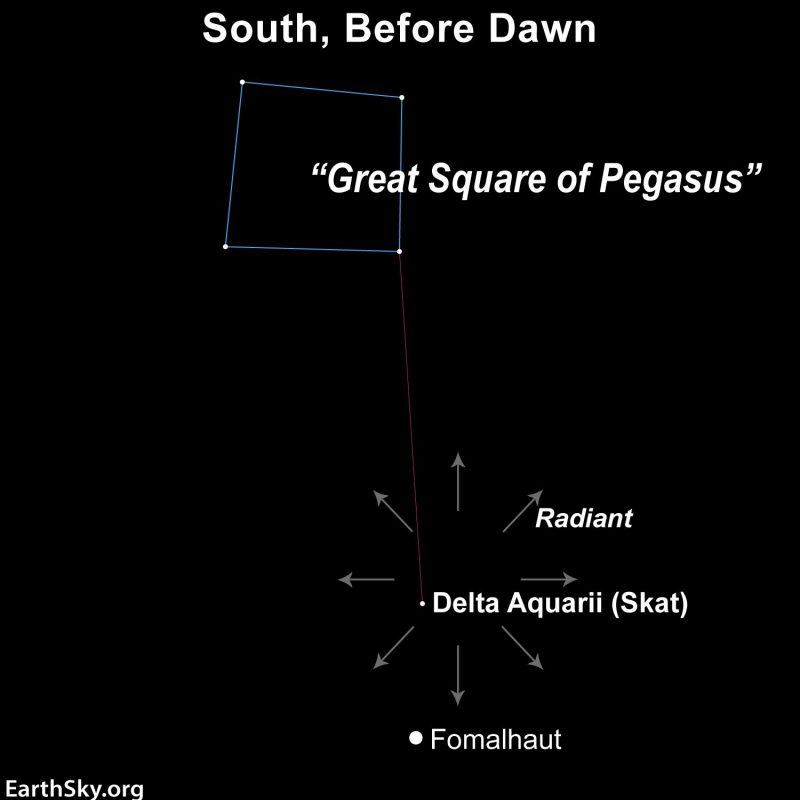
Up next is the Delta Aquariid meteor shower, they'll compete with a waning gibbous moon. Watch for meteors in dark skies before dawn the week before July 30.
The International Space Station has been orbiting our planet since 1998. Here's how to spot the ISS soaring overhead in your nighttime sky.
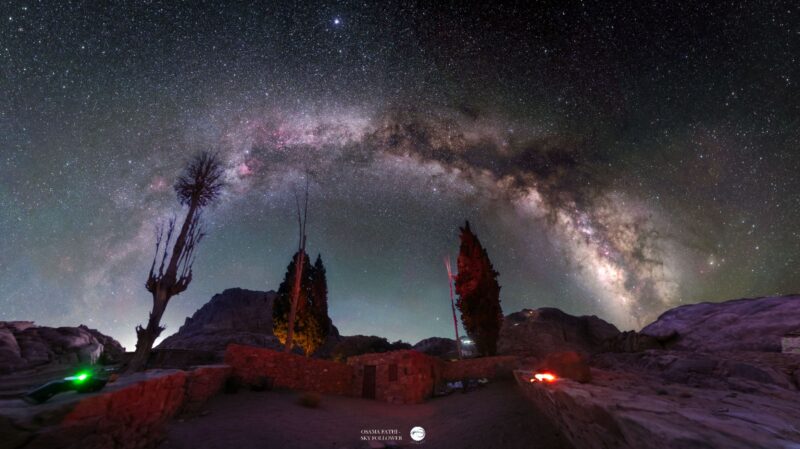
Enjoy this gallery of deep-sky photos from May 2026 by our EarthSky community. If you have a great photo to share, we'd love to see it!
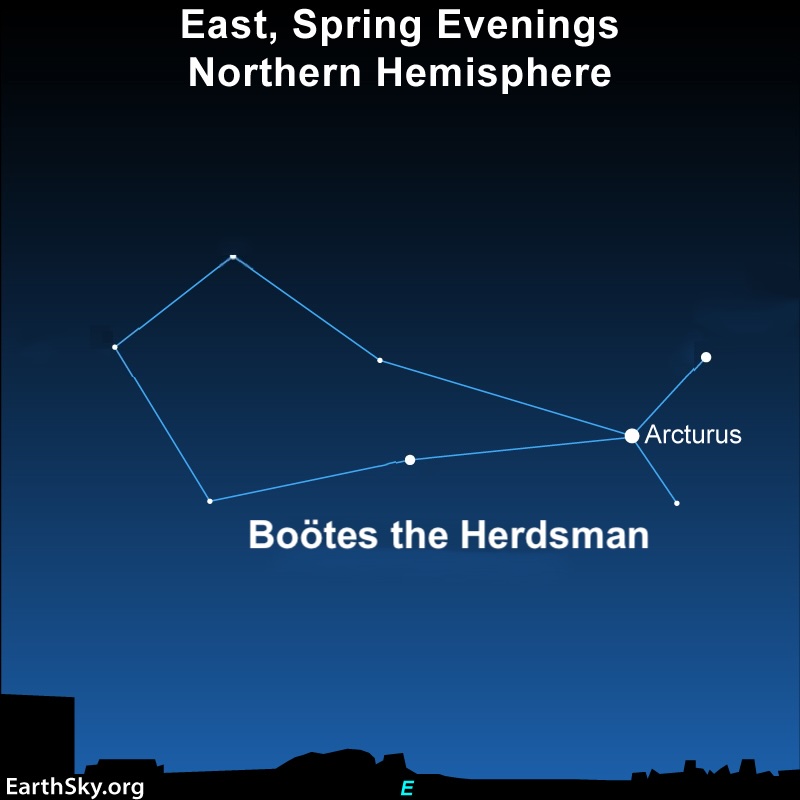
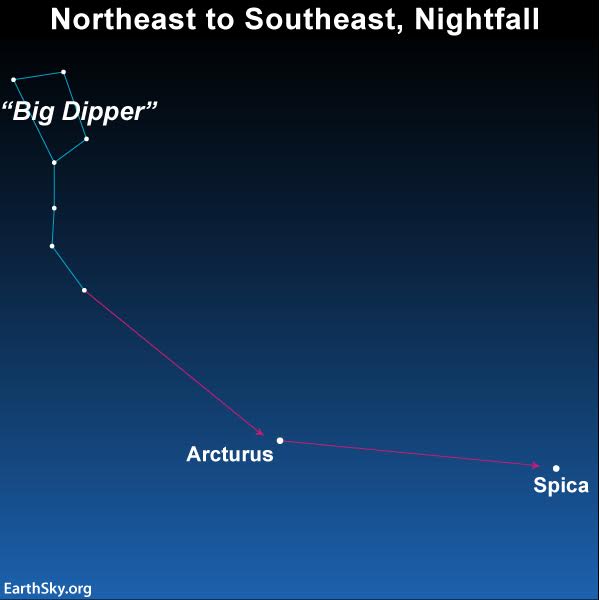
Arcturus is the brightest star in the northern half of the sky. It's easy to find in spring in the Northern Hemisphere near the handle of the Big Dipper.
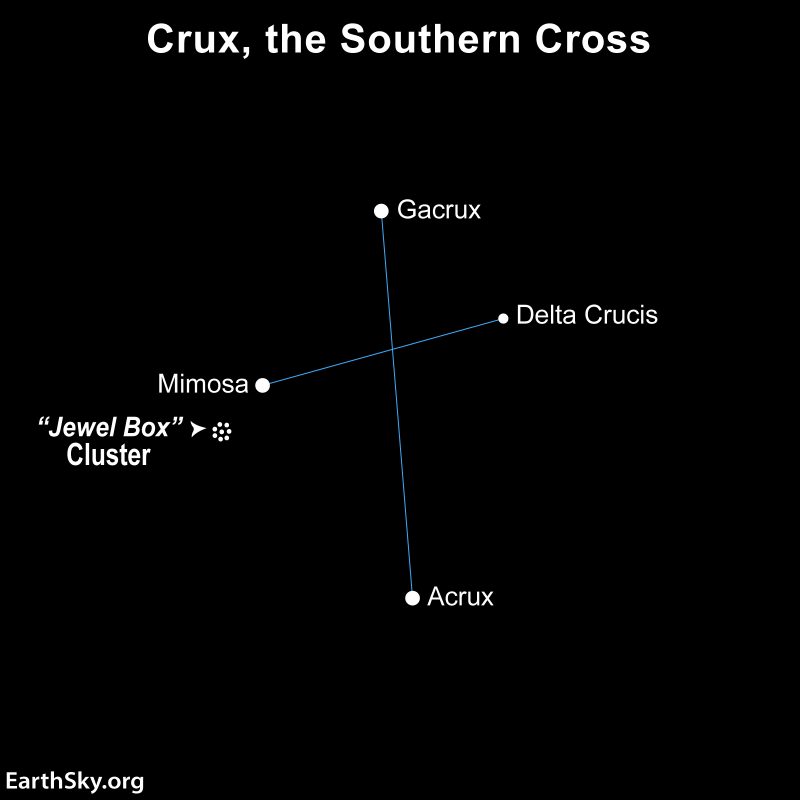
Crux, the constellation of the Southern Cross, is a hallmark of southern skies and contains the open cluster known as the Jewel Box.
Which moon phase is best for stargazing? Most astronomers would tell you that the best moon is no moon. But it depends on what you want to see.
Enjoy this gallery of deep-sky photos for April 2026 from our EarthSky community. If you have a great photo to share, we'd love to see it!
Meteor showers are unpredictable but nothing beats them for a fun and relaxing time under the stars. Here are our 10 tips to optimize your meteor viewing time.
If you only ever learn 1 star mnemonic, make it this one! Arc to Arcturus and speed on to Spica to identify 2 of the sky's brightest stars.
Enjoy this gallery of deep-sky photos for March 2026 from our EarthSky community. If you have a great photo to share, send it in, too. We love to see them!
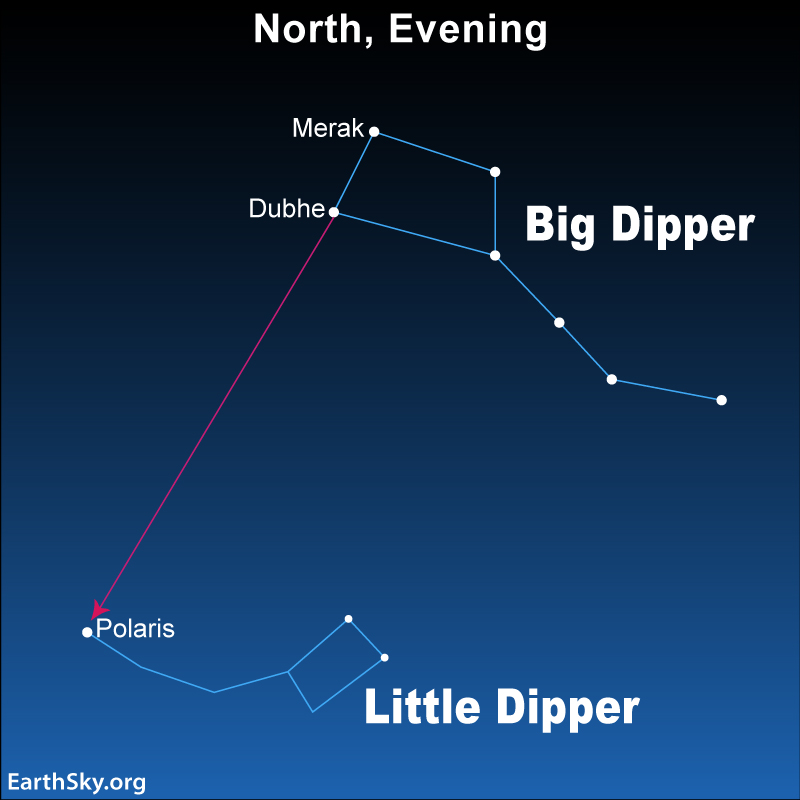
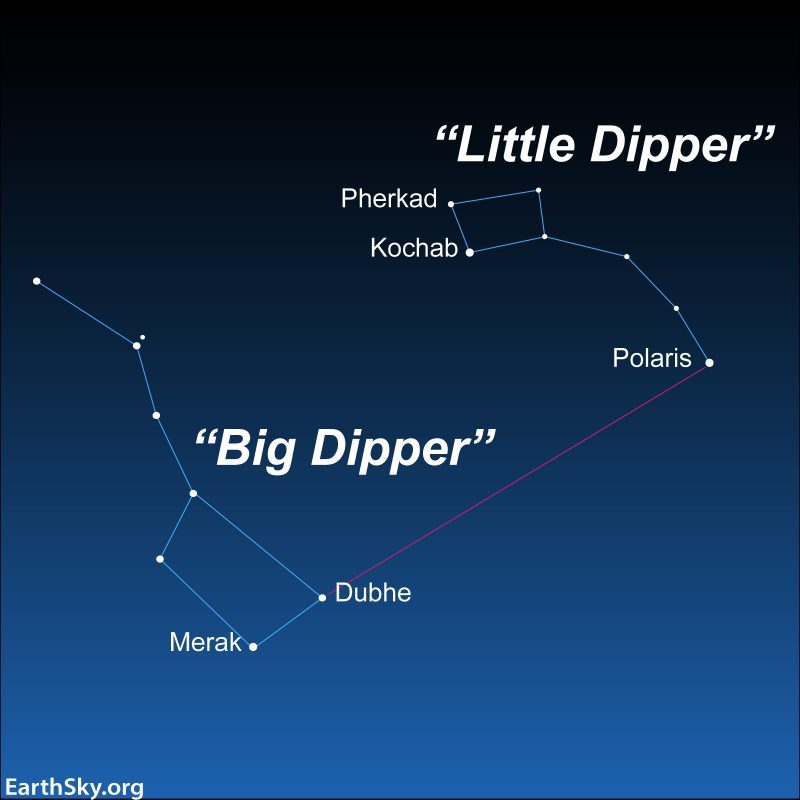
You can spot the Big and Little Dipper in the northern sky year-round. Follow the Big Dipper’s pointer stars to find Polaris and the Little Dipper.
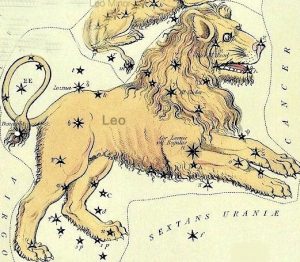
Coma Berenices is the constellation of Queen Berenice's Hair. It used to be the tail of Leo the Lion before it became its own constellation.
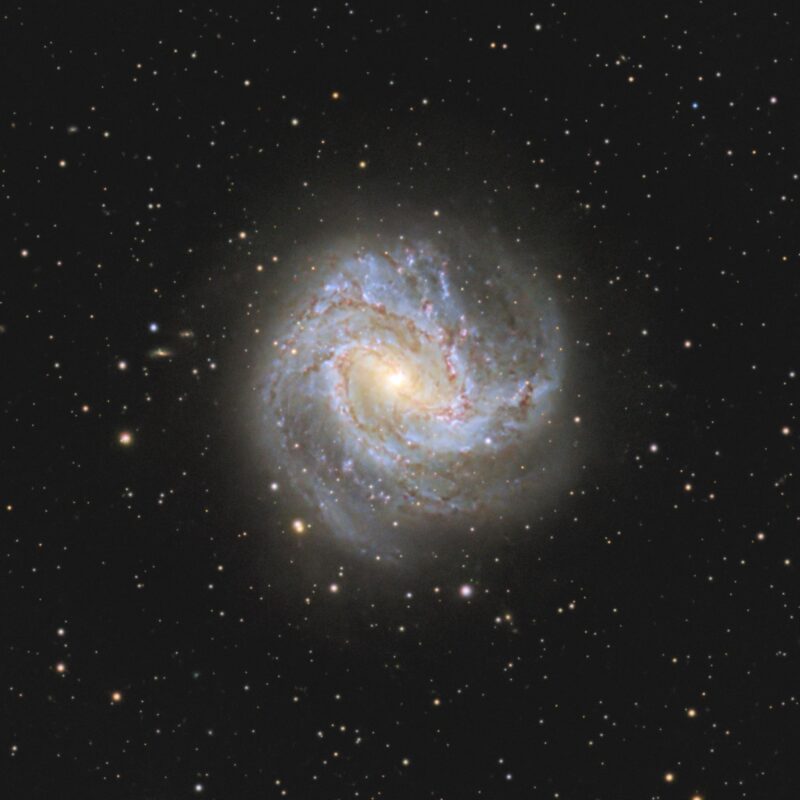
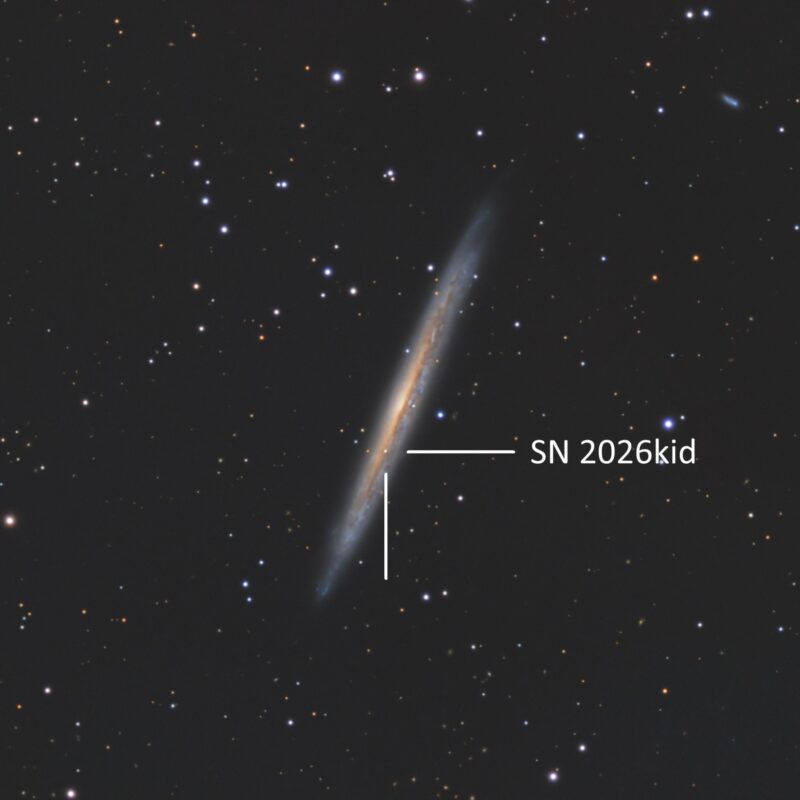
What is a galaxy? We live in a galaxy called the Milky Way. But there is so much more to know about these grand and glorious star islands in space!
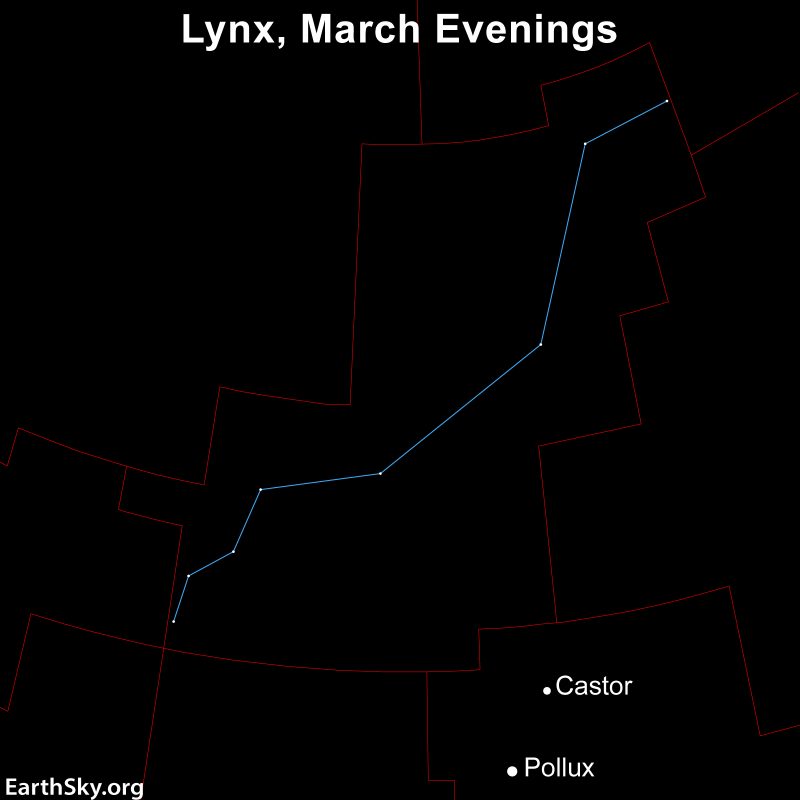
The constellation Lynx represents a wild cat and passes high overhead in March skies for the Northern Hemisphere. Learn its stars and deep-sky objects.
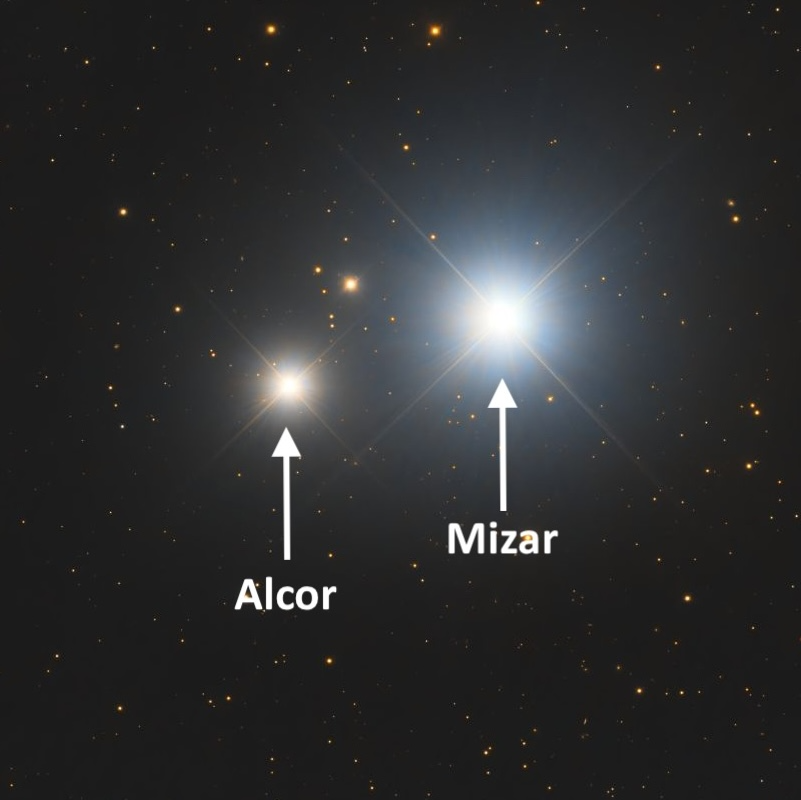
Mizar and Alcor are a famous pair of stars located at the bend of the handle of the Big Dipper. But what we see as 2 stars are really 6 stars!
Do you know how to find the North Star? The 2 outer stars in the bowl of the Big Dipper point to Polaris, the North Star. It's quick and easy!